Our Blog

The Beauty Of Raw Vegetable Salads

June 26th, 2009

DSC_9198 by you.

Raw vegetable salads lend simplicity, convenience, elegance and a good dose of vegetables to a meal all at the same time. The basic formula is easy: choose three or four different vegetables you’d eat raw (corn, tomatoes, cucumbers, fennel, carrots, radishes, cabbage, radicchio, endive, sweet or green onions), add in some cheese (feta, mozzarella, Swiss, cubed parmesan) and / or toasted nut or seed (pecans, almonds, pine nuts), and toss it all with any simple vinaigrette and some chopped fresh herbs (parsley, marjoram, chives, thyme).

Raw vegetable salads are especially good in summer when the garden and farmers markets are bountiful. They’re refreshing and light, contrast nicely with grilled meats and simply cooked grains (rice, couscous, quinoa), and can even serve as the main taste and flavor component of a meal. They can be made ahead and chilled so their flavors have time to meld, then brought out an hour or so before you serve dinner to come to room temperature. Cut the vegetables into large pieces for a more traditional “salad,” and into smaller pieces for more of a relish feel.

Recipe: Tomato, Corn, Cucmber And Feta Salad
Recipe: Greek Salad
Recipe: Moroccan Carrot Salad
Recipe: Grated Beet, Frisée, Walnut And Goat Cheese Salad
Recipe: Fennel And Orange Salad With Pecorino
Recipe: Tomato, Mozzarella And Basil Relish

Savory Parmesan Quinoa Cakes

June 17th, 2009

I’m almost always hungry first thing in the morning. But today, after a good long jog yesterday, I was ravenous. What to eat?

Before I even got out of bed, a dish I had heard about recently, quinoa pancakes, popped into my mind. I had no idea how to make them, but it was pouring down rain outside, I had a strong cup of coffee in hand and I was up for a little experimentation.

First, I rinsed and drained a handful of quinoa in a colander (some varieties of quinoa have a toxic powdery substance coating the grains). I put the damp quinoa in my mini food processor and tried to grind it to a paste. It was slow going, but after scraping down the sides of the processor a few times and adding a few teaspoons of water, the quinoa finally formed a paste. It had an assertive, nutty aroma — a lot like sesame tahini.

I poured the paste into a bowl, and whisked in some whole milk and an egg. I wanted a savory, not sweet cake, so I seasoned the batter with salt and pepper, and stirred in a handful of grated parmesan and a little chopped fresh rosemary.

Then I just cooked the batter as I would when making pancakes (but with olive oil instead of butter) until the cakes were brown on both sides and cooked through, about 2 minutes total. I topped the cakes with a couple of olive-oil-fried eggs and a little more grated parmesan.

The cakes were really flavorful — bold, nutty — and filling. I’m looking forward to tinkering with the recipe some more. I think they’d be good really big and thin, used like a flatbread.

Reference: What is quinoa?
Reference: How do you pronounce quinoa?
Reference: Is quinoa a grain or a seed?

What’s a spice paste good for?

June 16th, 2009

You want to add some flavor to a cut of meat. Why use a spice paste over a marinade?

First of all, you need time to marinate, time you may not have unless you’ve planned things in advance. Because a spice paste clings to the meat and forms a crust when you cook it, you don’t have to give it the waiting time you do a marinade. (You could rub a spice paste on a couple of hours ahead of time, but you don’t have to.)

Once cooked, the pungent, textured crust contrasts the plain, juicy meat. Unlike a marinade, which evenly coats a cut of meat and results in a consistently flavored finished dish, the spice paste comes with surprises: a cluster of ginger here, a nugget of toasted garlic there.

The formula for a spice paste is simple: a few ground spices + puréed aromatics like ginger, garlic, chiles + salt and pepper + just enough oil to hold it together — so try a spice paste instead of a marinade the next time you grill.

Grilling Rained Out

June 11th, 2009

DSC_0030.JPG by you.

Yesterday afternoon I was looking forward to grilling two beautiful Niman Ranch pork tenderloins for a dinner party. But when it was time to fire up the grill, the sky cracked open and it started to pour. Even though my grill’s just outside the door, the rain was coming down hard and I didn’t feel like getting wet. So I opted instead for my second-favorite way to cook meat — pan roasting.

I preheated the oven to 375F and sprinkled the pork generously with smoked paprika, toasted and ground cumin and coriander, salt and pepper. I seared the tenderloins in canola oil in a hot skillet until they were dark brown on all sides, then put them in the oven to finish cooking. When their internal temperature was 150F in the thickest part I removed them to a cutting board to rest, loosely tented with foil, for 10 minutes.

The pork didn’t quite have the charred flavor that grilling gives, but thorough searing in the skillet, smoky paprika and toasted spices helped compensate. It went well alongside fragrant coconut rice, mango-avocado salsa, cucumber raita and the sound of steady rain through a cracked window.

Recipe: Pan-Roasted Pork Tenderloin
Recipe: Coconut Basmati Rice
Recipe: Mango-Avocado Salsa
Recipe: Cucumber Raita

Grilling the Argentine Way

June 5th, 2009

Reading Francis Mallmann’s new book Seven Fires: Grilling the Argentine Way (written with Peter Kaminsky), I’m reminded that for all the things that cooking is about, at heart it’s about fire — cooking’s “mother tongue” as Mallmann calls it. This beautifully written cookbook and fire-guide shows Mallmann and Kaminsky’s fluency in that language.

In the beginning of the book, Mallmann describes seven types of wood-cooking apparatus: the parilla (a grill grate set over hot coals), chapa (flat cast iron griddle set over fire), infernillo (two-story fire with a cooking surface in between), horno de barro (wood-fired oven), rescoldo (covering food with embers), asado (vertical spit for cooking whole animals) and caldero (iron kettle).

For the rest of the book he harnesses those fires to make dozens of beautiful dishes from salads to desserts, with plenty of meat, seafood and vegetable dishes in between. Savory Corn Pudding, Empanadas, Mussels With Garlic and White Wine, Beef and Potato Pie, Peached Pork . . . the alluring list goes on and on, each accompanied by a little history, clear instructions and beautiful photography.

In a world replete with books about barbecue Mallman manages a completely original take on the subject, a primal exploration of grilling’s “new frontier.” It will have you dying to cook with wood and fire.

Soup Kitchen: Moroccan Minestrone

May 28th, 2009

Domenica Marchetti is a food writer, recipe developer and cooking teacher who specializes in seasonal Italian home cooking and the author of The Glorious Soups and Stews of Italy. Visit her website at www.domenicacooks.com. You can find more of her recipes here.

I have only been to Morocco by way of the movie Casablanca and through the words of my former cleaning woman, Fatima.

Like me, Fatima is an avid home cook and every other Tuesday when she would arrive, we would spend a good amount of time talking about food we had cooked for our families. She described in vivid detail delicious-sounding tagines of lamb or chicken, the proper way to make couscous, and soups featuring lentils and other legumes, assorted fresh vegetables, and spices.

Read the rest of this entry »

The Cookthink Questionnaire: Amanda McClements

May 27th, 2009

Amanda McClements is a Washington, D.C.-based freelance food writer and the blogger behind Metrocurean.

Sweet or salty?

Salty, all day, every day. Can you pickle your insides?

Which ingredient(s) do you use most?

Pork, mostly bacon and sausage. Garlic would be a close second. When I read a recipe, I typically double or triple whatever the amount of garlic it calls for.

What’s the cooking sound you most love?

Popcorn pushing the lid off a heavy pot.

Read the rest of this entry »

Happy Memorial Day!

May 25th, 2009

Whether you’re firing up the grill, having a picnic or just planning to kick back and spend the day drinking, Cookthink wishes those lucky enough to take the holiday a happy Memorial Day!

What Exactly Are Herbes De Provence?

May 22nd, 2009

Long before commercial production of Herbes de Provence began in the 1970s, this versatile aromatic mix was popular with Provençal grandmothers, who crushed it between their fingers before using it to add complex herbal flavor to roast chicken, marinated meats, soups and vegetable dishes. You can now find Herbes de Provence in supermarkets and farmer’s markets throughout the world. But you may have all the ingredients needed to make Herbes de Provence yourself right in your very own cupboard.

Recipe: Goat Cheese With Pastis And Herbes De Provence (Cookthink)

Sweet Or Salty?

May 21st, 2009

The first question we ask in our weekly Cookthink Questionnaire is “Sweet or salty?”

And while there are certain unequivocal adherents to one or the other camp, the answer we most hear is “both,” usually followed by “at the same time.”

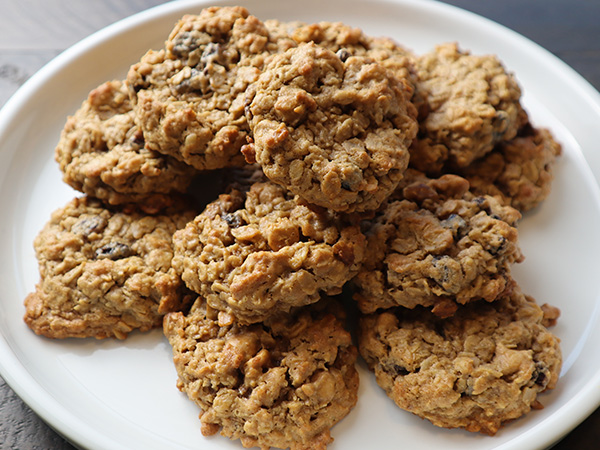
I do think that most people are born with a predominantly sweet or salty tooth, but it’s the combination of the two qualities that often seduces us in the end. Oatmeal cookies sprinkled with sea salt, pineapple fried rice, a watermelon and feta salad, chicken pot pie with apples — these dishes sing to us because they hit sweet and the salty (or savory) notes at once.

How about you? Are you sweet or salty? Or both at the same time?